A lot of microphone lists on the internet are written like the person making them has never actually recorded a video, a podcast, or even a voice note longer than eight seconds.
They just throw a bunch of mics into a list, say things like crisp audio and professional-grade sound, and hope nobody notices they’re basically describing every microphone the exact same way.
That’s not what this is.
If you’re making YouTube videos, podcasts, voiceovers, interviews, commentary, or anything else where your voice matters, the right mic can make you sound clean, confident, and legit. The wrong one can make you sound like you recorded your masterpiece from inside a soup can in a haunted kitchen.
So here’s the real breakdown.
These are the best microphones for YouTube and podcasts in 2026 if you actually care about sounding good without wasting money on nonsense.
The quick answer
If you want the short version before we get into the details:
- Best overall: Shure MV7+
- Best USB mic for creators: Elgato Wave:3 MK.2
- Best hybrid USB/XLR value: RØDE PodMic USB
- Best budget dynamic pick: Audio-Technica AT2040USB
- Best premium broadcast mic: Shure SM7dB
- Best beginner-friendly classic: Blue Yeti
That’s the list.
Now let’s talk about why these made it.
1. Shure MV7+ — Best overall microphone for most creators
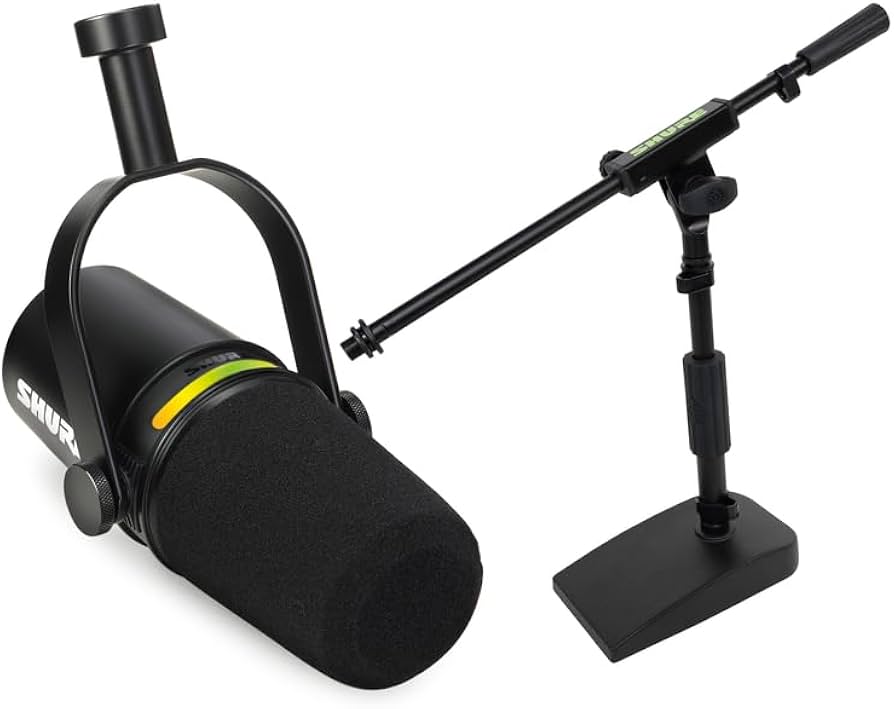
If you want one mic that covers the most ground without making your life annoying, this is the one.
The Shure MV7+ gives you both USB-C and XLR, which is a big deal. That means you can start simple and plug straight into your computer, then level up later into a more serious audio setup without replacing the mic. Shure also added features like Auto Level Mode, a digital pop filter, real-time denoiser, and reverb effects, which makes it even more creator-friendly than the old “good mic, now good luck figuring out the rest” approach.
Why it’s here
Because it hits the sweet spot.
It sounds good, looks good, works for YouTube, works for podcasts, and doesn’t require you to become a full-time audio wizard just to stop sounding crusty.
Best for
Creators who want one mic that can grow with them and still sound legit right out of the box.
2. Elgato Wave:3 MK.2 — Best USB microphone for YouTubers and streamers
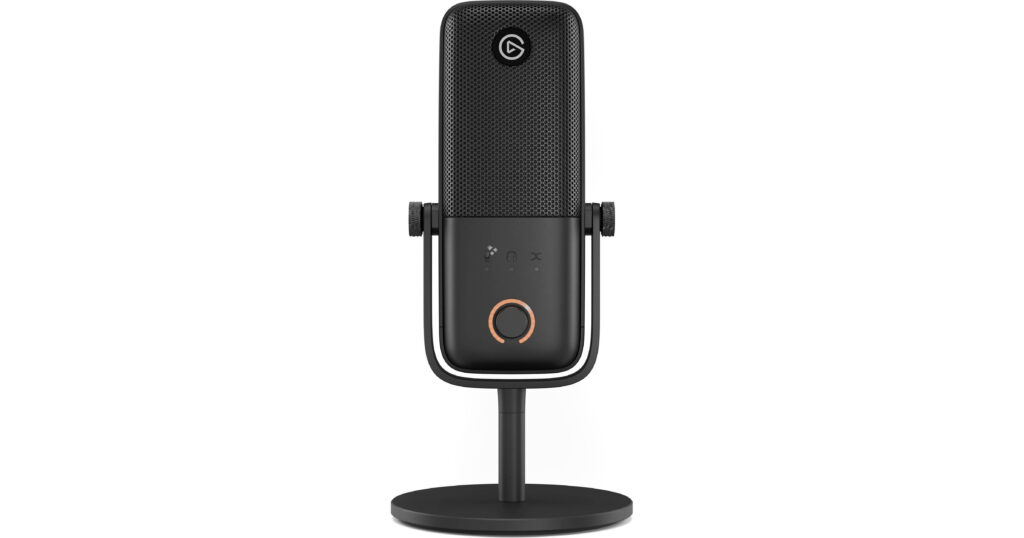
This is a very strong pick for people who want clean sound fast and do not feel like turning their desk into a science experiment.
Elgato’s Wave:3 MK.2 is clearly aimed at creators, streamers, and voice-based content people. The official specs highlight USB-C, Auto Gain, real-time levels, tap-to-mute, a headphone jack, and up to 24-bit audio with 130 dB SPL handling on the new model page. Elgato also pushes its DSP voice shaping and Wave software ecosystem hard, which makes sense because the whole appeal here is convenience plus polish.
Why it’s here
Because sometimes you want a mic that just shows up, does its job, and doesn’t act like it needs a support group.
Best for
YouTubers, streamers, and creators who want a fast, high-quality USB setup without getting dragged into XLR land on day one.
3. RØDE PodMic USB — Best hybrid USB/XLR value
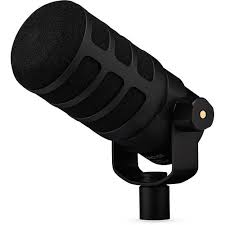
This one is smart.
The PodMic USB gives you both USB-C and XLR, plus zero-latency headphone monitoring, built-in DSP with APHEX processing, and RØDE’s Revolution Preamp. That means it works as a beginner-friendly USB mic now and still makes sense later if you move into a more serious podcast or studio setup.
Why it’s here
Because it’s one of those rare products that actually respects your upgrade path instead of trying to trap you in one lane forever.
Best for
Podcasters and YouTubers who want flexibility, good voice sound, and a mic they won’t outgrow immediately.
4. Audio-Technica AT2040USB — Best budget dynamic mic
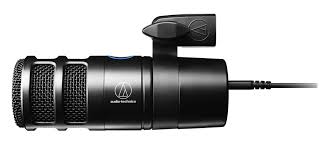
If you want a dynamic mic without paying premium Shure money, this one deserves real respect.
Audio-Technica’s AT2040USB is a hypercardioid dynamic USB mic with 24-bit support, up to 96 kHz, built-in headphone monitoring, mute, low cut, and mix control. That is a lot of useful creator stuff in a more affordable package.
Why it’s here
Because a lot of “budget” recommendations are actually just code for “you will regret this in two weeks.”
This one is not that.
Best for
Creators who want a voice-focused mic with a more affordable price tag and less room noise than a typical beginner condenser.
5. Shure SM7dB — Best premium broadcast mic
If you want that big, rich, polished “radio voice” kind of lane, this is the luxury bully on the list.
The SM7dB keeps the classic SM7 family sound but adds a built-in preamp with up to +28 dB of gain, which solves one of the most annoying things about the older SM7B for a lot of people. That extra gain can make setup easier and reduce the need for extra inline gear, depending on your interface and chain.
Why it’s here
Because some people want a mic that sounds like money, and this one shows up dressed accordingly.
Best for
Serious podcasters, voiceover artists, and creators with a proper audio setup who want that premium broadcast sound.
6. Blue Yeti — Best simple beginner-friendly mic
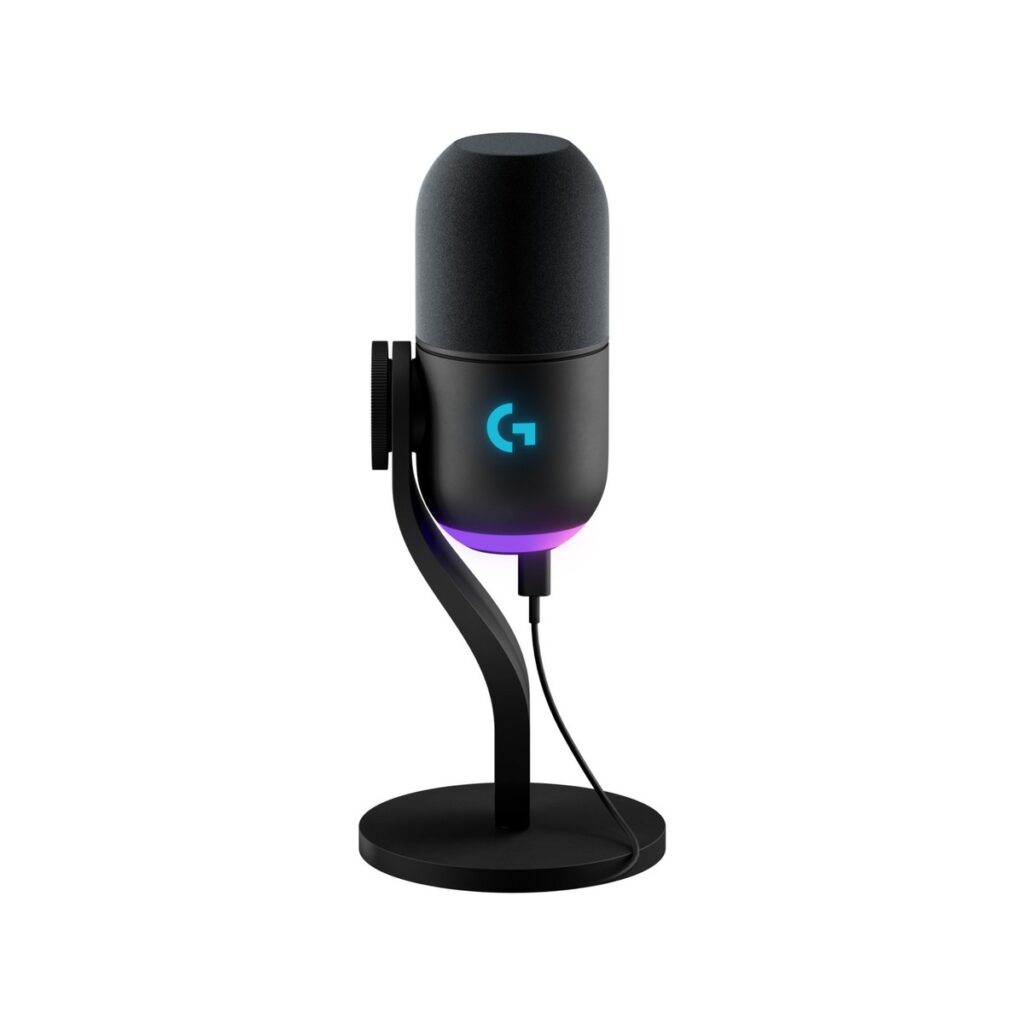
The Blue Yeti has been around forever, and people love clowning on popular gear like it’s a personality trait, but the truth is it’s still useful for beginners. Logitech’s official product page lists multiple pickup patterns, Blue VO!CE filters, onboard controls, and a headphone output, which is why it remains a common pick for people who want something recognizable and easy.
Why it’s here
Because not everybody needs to start their content journey by assembling a studio like they’re building Iron Man in the garage.
Best for
Beginners who want a simple USB mic for voice recording, podcasting, and basic content creation.
What actually matters when choosing a mic
This is where people get distracted by flashy marketing and forget the stuff that actually matters.
1. USB or XLR
If you want easy setup, USB is the move. If you want more flexibility and room to grow into a serious setup, XLR matters. Hybrid mics like the MV7+ and PodMic USB are nice because they let you do both.
2. Dynamic or condenser
For a lot of YouTube and podcast setups, dynamic mics are easier to work with because they usually reject more room noise. That’s a big deal if your recording environment is not exactly a beautiful soundproof temple. Products like the MV7+, PodMic USB, AT2040USB, and SM7dB all lean into voice-focused dynamic use cases.
3. Your actual setup
If you’re recording in a bedroom, office, or normal room with background noise, the best mic is not always the fanciest one. It’s the one that works with your space without making every ceiling fan and passing truck sound like a featured guest.
4. Ease of use
This matters more than audio nerds like to admit.
A mic can sound amazing, but if setup is annoying and you hate using it, you’re going to avoid recording. And that defeats the whole point.
My honest verdict
If I had to keep this brutally simple:
- Best overall for most people: Shure MV7+
- Best easy USB creator mic: Elgato Wave:3 MK.2
- Best value hybrid option: RØDE PodMic USB
- Best budget pick: Audio-Technica AT2040USB
- Best premium broadcast option: Shure SM7dB
- Best beginner classic: Blue Yeti
If you want the cleanest recommendation for most creators, I’d lean Shure MV7+.
It hits the sweet spot between sound, flexibility, and not making your life unnecessarily dramatic.
Final thoughts
The best microphone is not the one with the fanciest marketing language or the one some guy on YouTube calls “the endgame.”
It’s the one that fits:
- your voice
- your room
- your setup
- and the kind of content you actually make
Because at the end of the day, your mic is supposed to help people hear you clearly.
Not make you feel like you accidentally enrolled in audio engineering school.